

Every November the calls change a little. The question on the surface is the same one we hear all year: how long does detox take? The question underneath it is about a date. Thanksgiving. A flight home. A house full of relatives who may not know yet—or may not be prepared to deal with active addiction.
I’ll answer the surface question the way we do on the phone, and then I’ll answer the one underneath it.
The short answer
Many detox stays last several days to about a week. Alcohol and opioid withdrawal often follow that pattern, though symptoms can last longer. Benzodiazepines take longer, on purpose. Anyone who gives you an exact number before they’ve assessed you is guessing.
What I can tell you is how the number gets set. The first thing we do when you arrive is an assessment, not a protocol. What you’ve been taking, how much, for how long, your medical history, how you feel right now. The medical team builds your plan from that and adjusts it as symptoms change. The plan sets the days. Not a brochure, and not a calendar.
It depends on what you’ve been taking
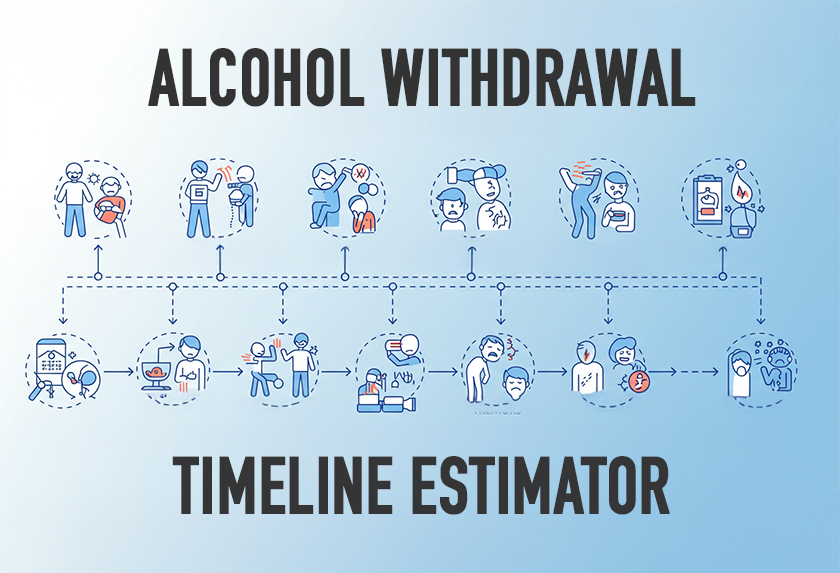
With alcohol, symptoms typically begin within hours of the last drink and are usually at their worst over the first two to three days. Most alcohol detoxes take several days to a week, though everyone is different.
Short-acting opioids like heroin and immediate-release oxycodone tend to bring on withdrawal within a day of the last dose, peaking around the second or third day and easing over about a week. Fentanyl is its own case. Because it accumulates in the body, withdrawal can be delayed, prolonged and harder to predict than people expect, which is one reason so many fentanyl detoxes fail at home.
Benzodiazepines such as Xanax, Klonopin, Ativan and Valium are not stopped. They are tapered: the dose comes down gradually, on a schedule the medical team sets and adjusts to how you respond. That means benzodiazepine detox usually takes longer than other withdrawals. It is not a sign anything is wrong. It is the treatment working as intended.
Kratom and 7-OH withdrawal can be opioid-like, and the medical approach is tailored to what you’ve been using and how you’re feeling. And many people arrive using more than one substance. That’s common, and it makes a careful assessment especially important, because the timelines overlap and need to be managed together.
One thing that has nothing to do with timelines: alcohol and benzodiazepine withdrawal can include seizures. If someone is having a seizure, is badly confused or can’t be woken, call 911. Don’t do the math first.
What the days are for
People picture detox as waiting it out in a bed. The days have a shape.
- Assessment comes first, on arrival, and it is what your detox plan is built from.
- Then stabilization. Where medication is appropriate, it is prescribed by our medical team and adjusted as symptoms change. Vital signs and symptoms are checked regularly, around the clock.
- Then comfort and support. Meals that suit a body in withdrawal. Rest. Staff who have sat with people through this before. As you feel able, you are welcome in the living room where our meditation, music, PEMF and red light sessions happen. Nothing is required of you until you are ready.
- Then the next step, before you leave. Detox alone is not complete treatment. It is what makes the next steps in treatment possible. We talk through what comes next, whether that is residential care with us in the same house or a program closer to home, to help prevent a gap between detox and the support that follows.
That last part is where I’d put your attention. Detox alone rarely holds. A plan for afterwards is part of the detox. For people recovering from opioid use, that also means discussing ongoing medication treatment and making sure overdose prevention, including naloxone, is part of the plan. Every day counts, and your first days start here.
Is there time before the holidays?
Usually, yes—there is time to begin. Whether you’ll be ready to go home before Thanksgiving depends on how you’re doing, not just how many days are left.
But I want to be straight with you about what the arithmetic doesn’t cover. The acute phase is followed, for many people, by weeks of poor sleep, low mood, low energy and cravings. That is common, and support can help. It also means the first holiday after detox can be hard, and walking out of a detox straight into a bar cart at your brother’s house is a plan I’d want to talk about with you first.
So here is what I actually tell people in November. Don’t let the date decide. Some people detox now and go home for the holiday with a plan and a phone number. Some people stay with us through it. A quiet house where everyone knows your name is not the worst place to spend a Thursday in late November. Either way, the decision gets made with you before you leave, not by the calendar.
Don’t confuse discomfort with danger. Tell us what you’re feeling so we can help you understand what needs medical attention. Some of the best things that will ever happen to you begin on the other side of wanting to run. Stay. Get curious.
If you’re the one waiting at the table
A lot of the people who call us in November are not the patient. They’re the ones who have spent a year of holidays not knowing.

Here is what we do for families, once there is a release on file and with the client’s permission. We arrange updates. Sometimes that means a call. A voice on the other end of the phone that says: hey, it’s Thursday. Your loved one woke up sober today. And tonight, they’re going to bed sober. And just for that day, maybe you’ll rest a little easier.
Being able to offer a family that moment of relief is one of the most meaningful parts of this work.
What insurance has to do with the number of days
Insurance can cover medically necessary detox, subject to your plan’s benefits and authorization requirements. The recommended number of days follows from your clinical needs, not from a package. We are in network with Aetna, Optum, UnitedHealthcare, UBH and Health Net, and most PPO plans are accepted. Before you commit to anything, we check your benefits and help you understand your coverage and expected out-of-pocket costs. There’s no charge for checking your benefits, and asking commits you to nothing.
You don’t have to know how long it will take before you call. That’s what the assessment is for.
Verify your insurance online, or call (844) 467-3848. We answer 24 hours a day.